SLEEP SOUNDLY THIS HOLIDAY SEASON: TIPS FOR SNORE-FREE NIGHTS
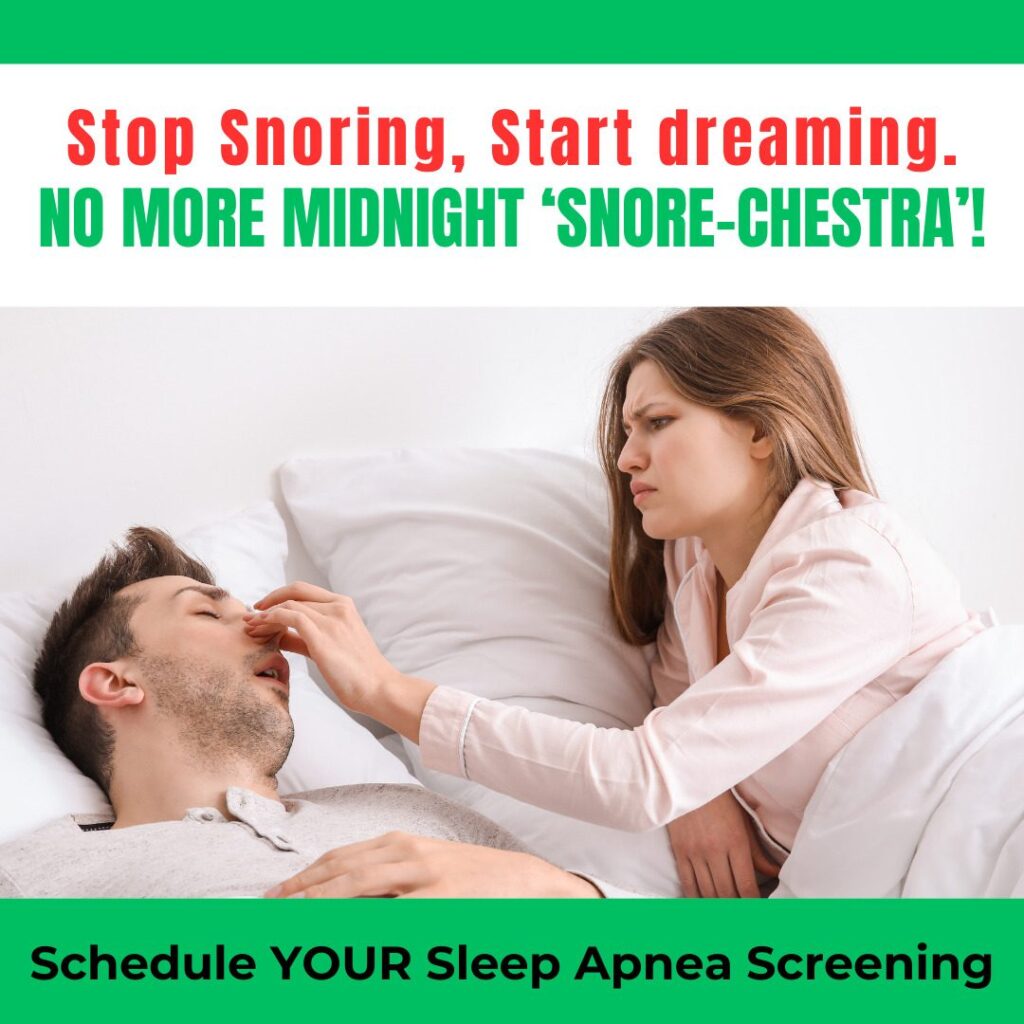
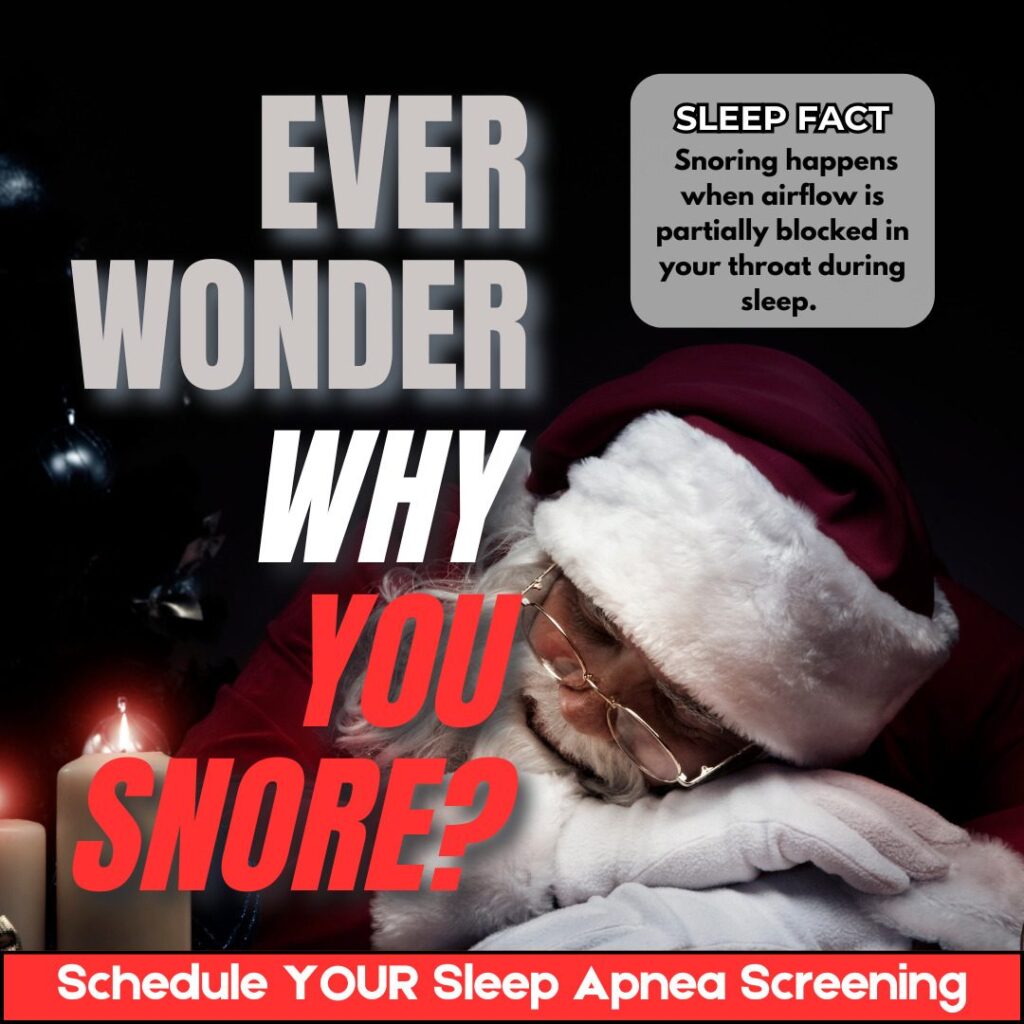
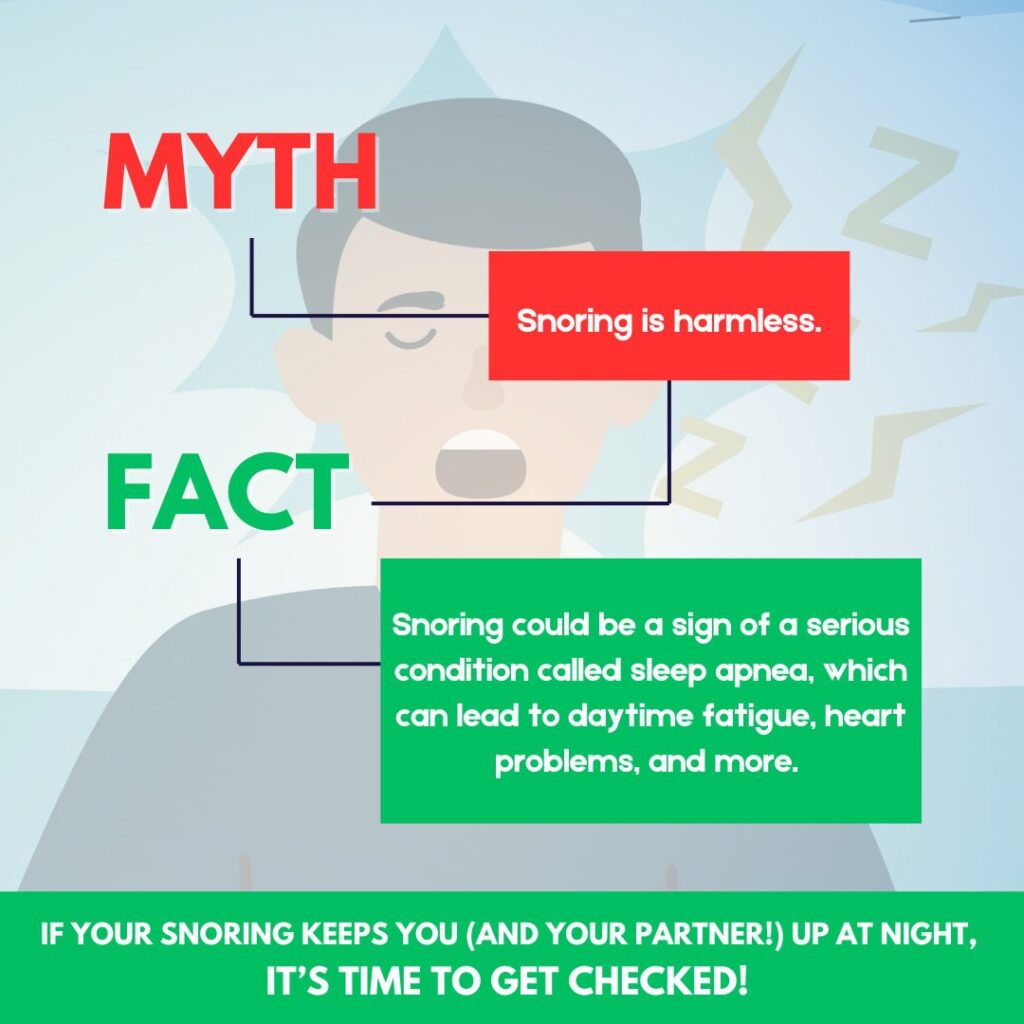
The holidays should be filled with Silent Nights and Joyful Days, but snoring can put a damper on the cheer! We hope the festive tips keep the nights quiet and restful for everyone. Wishing you a Merry Christmas and a Silent Night
When we think about health and wellness, dental care is often overlooked. However, the health of your teeth and gums plays a significant role in your overall well-being. Proper oral hygiene is not just about having a bright smile—it also helps prevent a range of health issues. Let’s explore seven simple dental tips that can make a big difference in both your oral and general health.
Tip 1: Brush Twice Daily
The foundation of great oral health starts with regular brushing. It’s important to brush at least twice a day, using fluoride toothpaste to strengthen your enamel and fight cavities. Opt for a soft-bristle toothbrush, which is gentle on your gums while still effectively cleaning your teeth. This simple practice helps remove plaque buildup and reduces your risk of gum disease and tooth decay.
Tip 2: Floss Regularly
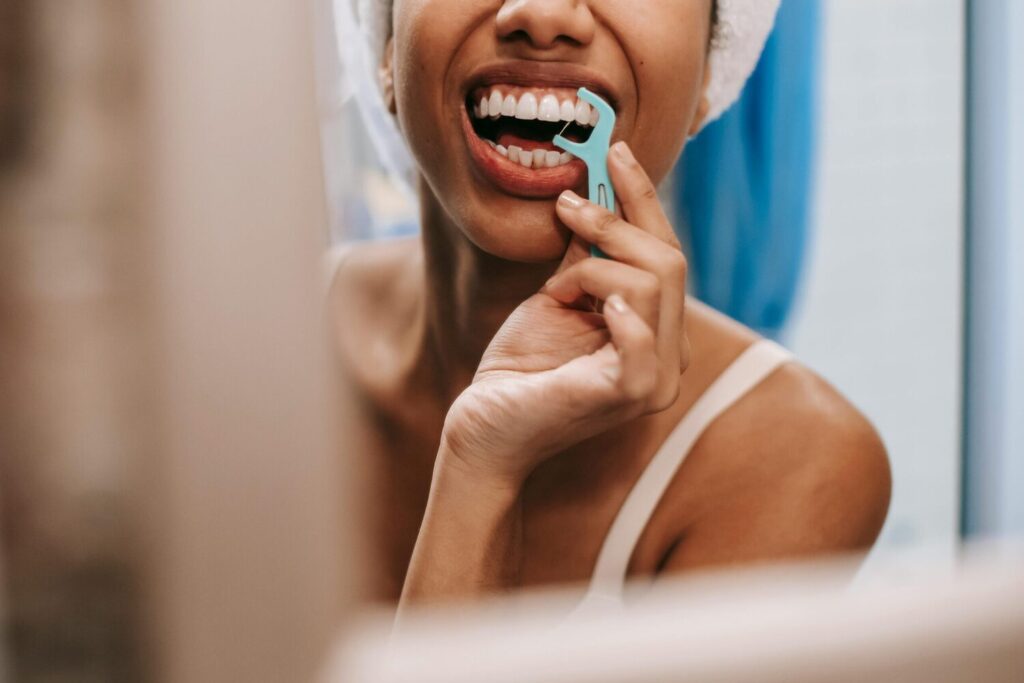
While brushing is essential, it can’t remove all the food particles and plaque between your teeth. Flossing every day is crucial to reach these areas and prevent plaque buildup, which can lead to cavities and gum disease. The best time to floss is before bed, ensuring your mouth is free from debris as you sleep.
Tip 3: Eat a Balanced Diet
What you eat has a direct impact on your dental health. A balanced diet rich in fruits, vegetables, dairy, and lean proteins supports strong teeth and healthy gums. Calcium-rich foods like milk and cheese help strengthen enamel, while crunchy vegetables like carrots can naturally clean your teeth. Limiting sugary snacks and drinks is equally important since sugar fuels the bacteria that cause cavities.
Tip 4: Stay Hydrated
Water is your mouth’s best friend. Staying hydrated helps wash away food particles and bacteria, keeping your mouth cleaner throughout the day. Drinking plenty of water also prevents dry mouth, which can lead to bad breath and increase your risk of cavities. Instead of sugary drinks, which can erode enamel, make water your go-to beverage.
Tip 5: Visit the Dentist Regularly
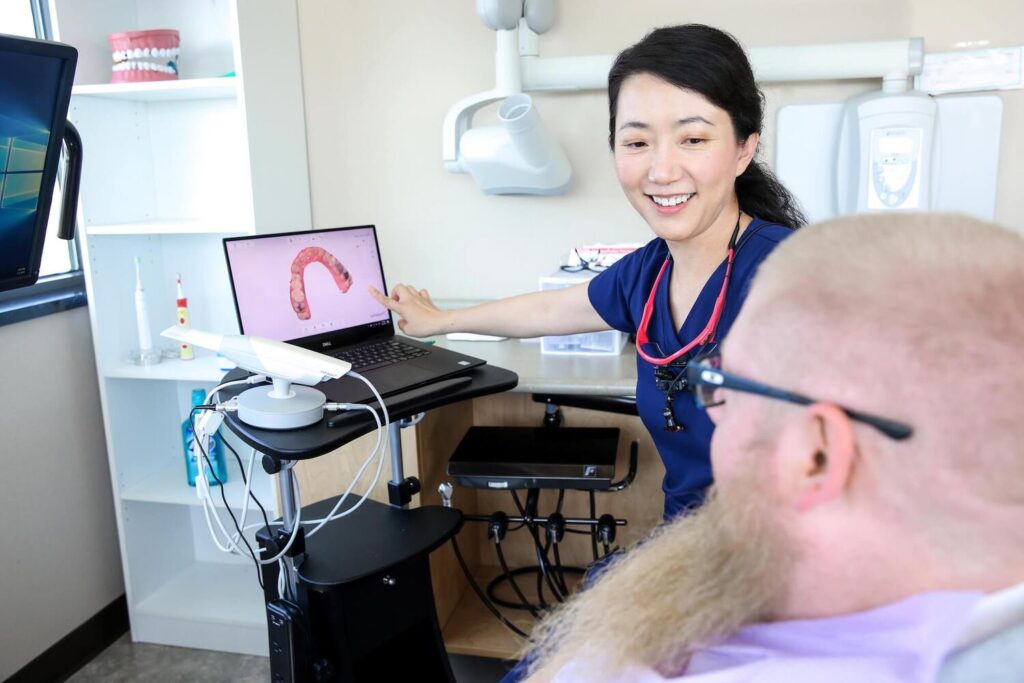
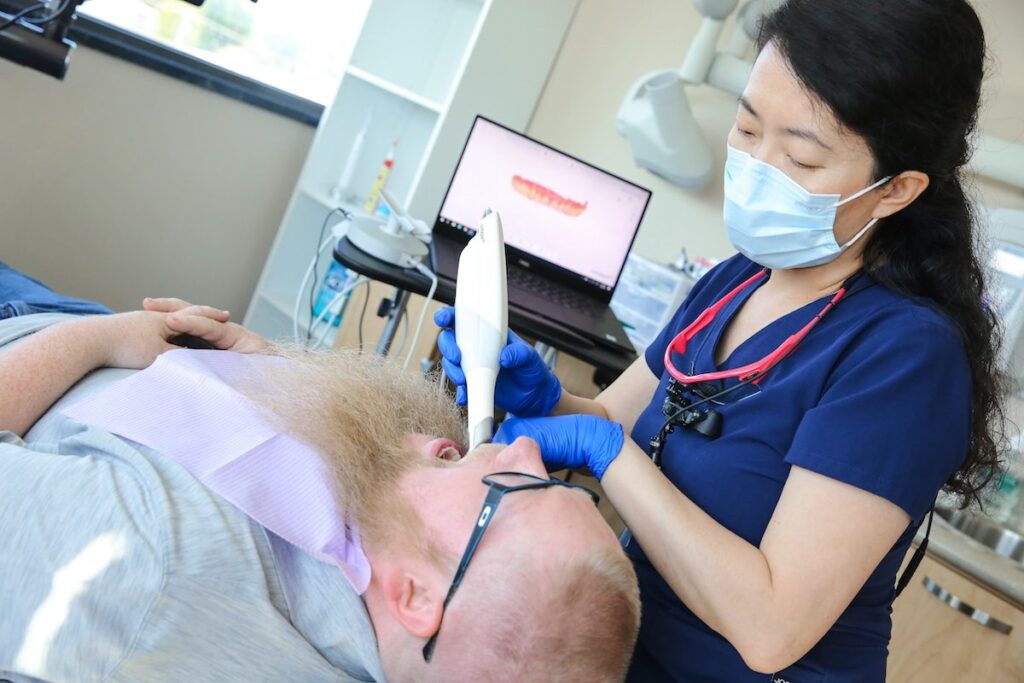
No matter how diligent you are with your at-home dental care, professional cleanings and checkups are essential. Dentists recommend visiting the dentist at least twice a year. These appointments allow for thorough cleanings and early detection of any potential issues like cavities, gum disease, or oral cancer, which can be treated before they become serious problems.
Tip 6: Avoid Tobacco Products
Smoking and chewing tobacco are not just bad for your overall health—they can wreak havoc on your oral health as well. Tobacco use is a major risk factor for gum disease, tooth loss, and oral cancer. Quitting tobacco is one of the best things you can do for your teeth, gums, and overall well-being.
Tip 7: Use Mouthwash
Adding mouthwash to your routine can provide an extra layer of protection. Antibacterial mouthwashes help reduce plaque, prevent gum disease, and freshen your breath. The best time to use mouthwash is after brushing and flossing to ensure your mouth stays as clean as possible. Look for alcohol-free formulas that won’t dry out your mouth.
Conclusion
Caring for your teeth and gums doesn’t have to be complicated. By following these seven easy tips—brushing twice a day, flossing regularly, eating a balanced diet, staying hydrated, visiting the dentist, avoiding tobacco, and using mouthwash—you can significantly improve your oral health and overall well-being. Small changes can make a big difference, so start today and take control of your dental health for a brighter, healthier future.
Regular dental visits help catch these issues early, ensuring timely and effective treatment.
A healthier you starts right here. We’re looking forward to meeting you and your entire family. Schedule your consultation today at our Salem dentist office.
Have questions? Call (503) 315-2500. We hope to see you soon!
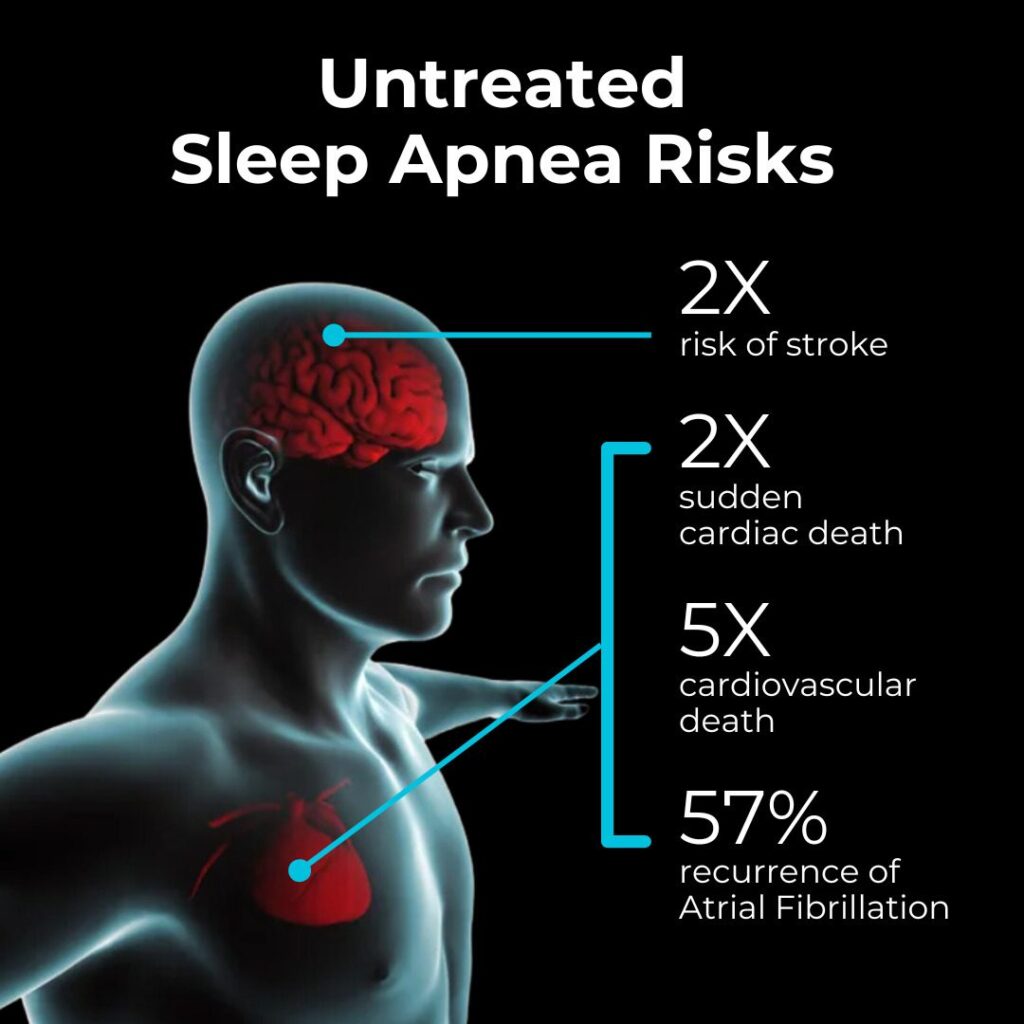
Sleep apnea, often thought of as a condition affecting adults, also poses significant risks to children’s health and well-being. Children with untreated sleep apnea may experience daytime sleepiness, poor concentration, and behavioral issues, which can interfere with their academic performance and social interactions. Additionally, sleep apnea has been linked to deficits in attention, memory, and executive functioning in children. Chronic sleep disturbances may contribute to growth delays, cardiovascular problems, and metabolic disorders such as obesity and insulin resistance.
Identifying sleep apnea in children can be challenging, as the symptoms may differ from those seen in adults. While snoring is a common symptom, children with sleep apnea may also exhibit other signs such as restless sleep, frequent awakenings, bedwetting, and daytime mouth breathing. It is essential for parents and caregivers to be vigilant and consult a healthcare professional if they suspect their child may have sleep apnea. Early recognition and intervention are crucial for preventing long-term complications and improving outcomes for children with sleep apnea.
SLEEP HYGIENE TIPS FOR KIDS
Arranging a balanced schedule with interspersed periods of rest and play
Keeping a regular bedtime
Making the bedroom, and especially the mattress, a no-screen zone, even during the day
Providing a healthy diet
Setting the thermostat to a slightly cooler temperature
Using dark curtains to block out light, or a nightlight if they’re scared of the dark
Keeping the bedroom quiet, or using a white noise machine to mask outside sounds
ASK US HOW YOU CAN RECEIVE A SLEEP WELLNESS CONSULTATION!
If you are interested in getting back your best sleep, contact us today to request your appointment. We’ll work with you to develop a personalized treatment plan that meets your dental needs and longtime dreams.
Why Treating Sleep Apnea is Crucial for Mental Health
Sleep apnea, a common sleep disorder characterized by repeated interruptions in breathing during sleep, is not just a physical health concern. It has significant implications for mental health as well.
Sleep Apnea and Its Impact on Mental Health:
Daytime Fatigue and Cognitive Function: The frequent disruptions in sleep caused by sleep apnea prevent the brain from entering the restorative stages of sleep.
Mood Disorders: Sleep apnea is closely linked with mood disorders such as depression and anxiety. Patients with sleep apnea are more likely to experience persistent feelings of sadness, hopelessness, and irritability.
Stress and Coping: Living with untreated sleep apnea can be stressful. The constant struggle with fatigue, combined with the potential health risks, can take a toll on mental health.
Managing Sleep Apnea for Better Mental Health:
Oral Appliances: Improves sleep quality and reduces daytime fatigue, which can positively impact mood and cognitive function.
Mental Health Support: Seeking support from mental health professionals can help manage the emotional and psychological aspects of sleep apnea.
Healthy Lifestyle Choices: Regular exercise, a balanced diet, and good sleep hygiene can improve both sleep apnea and mental health.
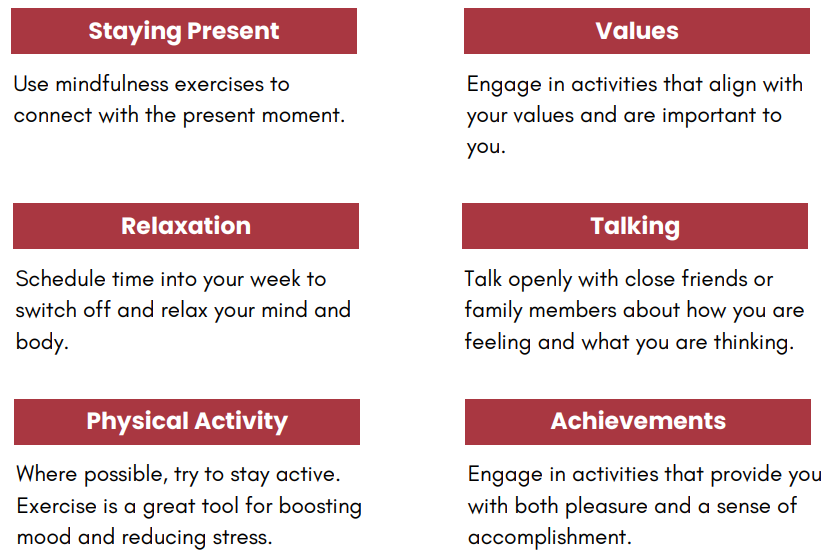
POSITIVE MENTAL HEALTH HABITS TO TRY AND MAINTAIN
ASK US HOW YOU CAN RECEIVE A SLEEP WELLNESS CONSULTATION!
If you are interested in getting back your best sleep, contact us today to request your appointment. We’ll work with you to develop a personalized treatment plan that meets your dental needs and longtime dreams.
Proper teeth cleaning is essential for maintaining oral health and preventing dental issues such as cavities, gum disease, and bad breath. By effectively removing plaque and food particles through regular brushing and flossing, you can reduce the risk of tooth decay and gum inflammation. Good oral hygiene also supports overall health, as poor dental care has been linked to systemic conditions like heart disease and diabetes. Additionally, proper teeth cleaning helps preserve tooth enamel, prevent tartar buildup, and maintain a bright, healthy smile.
Mistake 1: Incorrect Brushing Technique
Brushing too hard: Applying excessive pressure while brushing can wear down tooth enamel and irritate the gums, potentially causing gum recession and tooth sensitivity.
Brushing too quickly: Rushing through the brushing process, usually in less than two minutes, doesn’t give enough time to clean all areas of the teeth, leading to plaque buildup.
Incorrect brush angle: Holding the toothbrush at a flat or steep angle instead of the recommended 45-degree angle can prevent proper cleaning of the gum line, where plaque often accumulates.
Skipping areas: Focusing only on the front teeth or easily accessible areas while neglecting the molars, inner surfaces, or the tongue leaves areas where plaque can thrive.
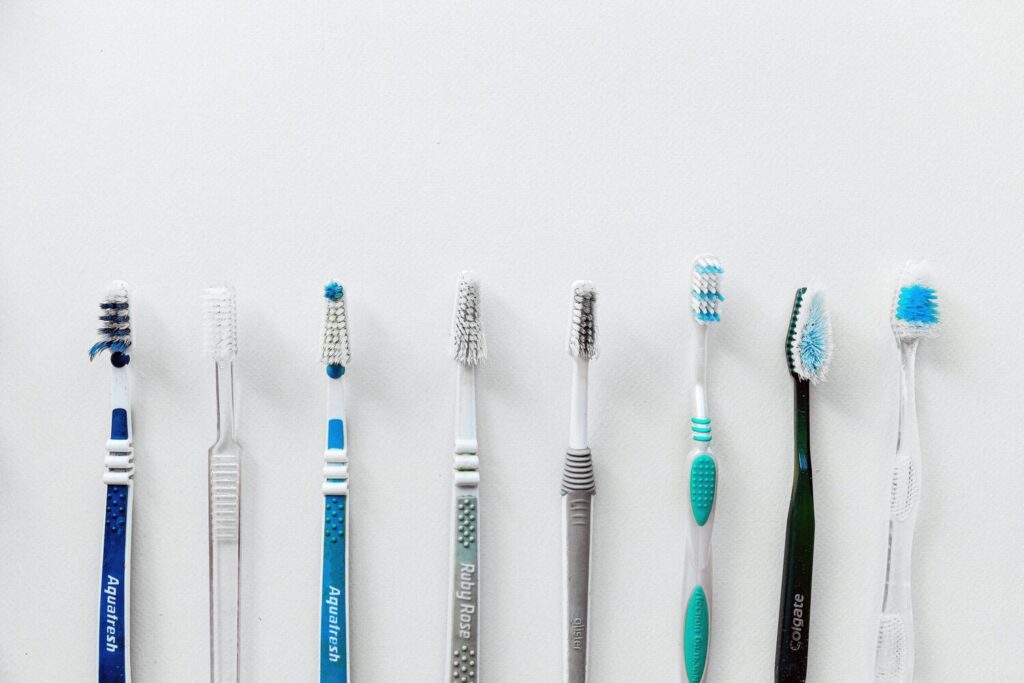
Not replacing the toothbrush: Using a worn-out toothbrush with frayed bristles diminishes its effectiveness in cleaning, as it no longer adequately removes plaque and food particles.
Overuse of horizontal strokes: Brushing in a straight, back-and-forth horizontal motion, especially along the gum line, can harm gums and doesn’t clean teeth as thoroughly as circular or vertical motions.
Brushing too frequently or for too long: Overbrushing, whether by brushing too often or for too long, can erode tooth enamel and irritate gums.
Using too much toothpaste: Using excessive toothpaste creates a lot of foam, which can make people feel like they’ve brushed thoroughly when they may not have cleaned adequately.
Mistake 2: Skipping Flossing
Flossing is essential for oral health because it removes plaque and food particles from areas a toothbrush can’t reach, such as between teeth and under the gum line. This helps prevent cavities, gum disease, and bad breath. By reducing plaque buildup, flossing also protects against gingivitis and other forms of gum disease. Additionally, it contributes to overall health, as poor oral hygiene has been linked to systemic conditions like heart disease. Regular flossing helps maintain healthy gums and supports overall dental care.
Skipping flossing can lead to the buildup of plaque and food particles between teeth, increasing the risk of cavities and gum disease. Over time, this can cause gingivitis, characterized by inflamed and bleeding gums, and may progress to more severe gum disease (periodontitis), which can result in tooth loss. Neglecting flossing also contributes to bad breath and allows harmful bacteria to thrive, potentially affecting overall health by increasing the risk of conditions like heart disease and diabetes.
Mistake 3: Using the Wrong Toothbrush
Toothbrushes come with different types of bristles, including soft and hard, to suit various oral hygiene needs:
Manual toothbrush: Traditional toothbrushes come with soft, medium, or hard nylon bristles. Soft bristles are recommended for most people as they are gentle on the gums and enamel, while hard bristles can be more abrasive and are typically not recommended for daily use.
Electric toothbrush: These powered toothbrushes often feature soft bristles, designed to be effective in plaque removal without damaging the gums. Their rotating or vibrating heads enhance the cleaning process, especially for those with sensitive gums.
Sonic toothbrush: Like electric toothbrushes, sonic versions typically use soft bristles to vibrate at high speeds, offering a deep clean while being gentle on teeth and gums.
A toothbrush with hard bristles or one that is too large can damage gums and make it difficult to reach certain areas, like the back teeth or between teeth.
Mistake 4: Overdoing Mouthwash Use
Mouthwash offers several benefits that enhance oral hygiene. It reduces bacteria, prevents plaque buildup, and freshens breath by killing odor-causing germs. Mouthwash can also promote gum health by reducing inflammation and help strengthen enamel if it contains fluoride. Additionally, it reaches areas that brushing and flossing may miss, providing a more thorough clean, while some formulations can soothe minor oral discomfort. While it shouldn’t replace brushing or flossing, mouthwash is a useful addition to daily oral care.
Excessive use of mouthwash or choosing the wrong type can lead to several risks. Overuse, especially of alcohol-based mouthwashes, can cause dry mouth by reducing saliva production, which may increase the risk of cavities and bad breath. Harsh mouthwashes can also irritate the gums, damage oral tissues, or worsen existing conditions like ulcers. Using a mouthwash with ingredients that don’t suit your needs, such as alcohol or strong antiseptics, can disrupt the balance of oral bacteria or cause tooth sensitivity. It’s important to choose a mouthwash that matches your specific dental needs and use it as directed.
Mistake 5: Ignoring Regular Dental Check-Ups
Routine dental check-ups are essential for maintaining good oral health and preventing serious issues. They allow for the early detection of problems like cavities and gum disease, often before symptoms arise, and help prevent these issues through professional cleanings and guidance on oral care. Regular visits also monitor existing conditions, reducing the risk of complications and potentially lowering long-term costs by catching problems early. Moreover, good oral health is linked to overall well-being, making these check-ups a crucial part of maintaining both dental and general health.
Without regular dental visits, several issues might go unnoticed, including:
Cavities: Small cavities can develop into larger ones, leading to more severe dental problems.
Gum Disease: Early signs of gum disease, such as gum inflammation or bleeding, may not be noticeable but can progress to more serious conditions like periodontitis.
Oral Cancer: Early stages of oral cancer can be asymptomatic, making regular check-ups crucial for early detection.
Hidden Tooth Damage: Problems like cracks or fractures in teeth might not be visible without professional examination.
Plaque and Tartar Build-up: Plaque that hardens into tartar can lead to gum disease and tooth decay if not removed regularly.
Misalignment Issues: Subtle shifts in tooth alignment or bite issues may go unnoticed but can affect overall oral health and function.
Root Issues: Problems with the roots of teeth, such as infections or decay, may not cause immediate pain but can lead to more severe complications if untreated.
Regular dental visits help catch these issues early, ensuring timely and effective treatment.
A healthier you starts right here. We’re looking forward to meeting you and your entire family. Schedule your consultation today at our Salem dentist office.
Have questions? Call (503) 315-2500. We hope to see you soon!
Exploring How Pregnancy Influences Sleep Apnea Risk
Pregnancy heralds profound physical and hormonal shifts, often accompanied by a range of sleep disruptions. Among these, obstructive sleep apnea (OSA) can surface or intensify during this period.
Obstructive sleep apnea is a condition characterized by repeated episodes of complete or partial obstruction of the upper airway during sleep.
Awareness of risk factors, symptoms, and treatment options empowers expectant mothers to prioritize their health and navigate pregnancy and beyond with greater ease.
Factors that can increase OSA risk during pregnancy
Excess weight, particularly around the neck and throat area, can contribute to airway obstruction during sleep, exacerbating sleep apnea symptoms.
Hormonal Changes can affect muscletone and relaxation of the upper airway muscles.
Nasal Congestion occurs due to increased blood flow to the mucous membranes in the nose, a condition commonly known as pregnancy rhinitis.
Gestational Hypertension and Preeclampsia is linked to sleep apnea which can potentially lead to complications during pregnancy and delivery.
ASK US HOW YOU CAN RECEIVE A SLEEP WELLNESS CONSULTATION!
If you are interested in getting back your best sleep, contact us today to request your appointment. We’ll work with you to develop a personalized treatment plan that meets your dental needs and longtime dreams.
St. Patrick’s Day is a time for celebration, filled with laughter, good company, and perhaps a little green! But if you’re struggling with sleep apnea, you might find yourself feeling less than festive.
Sleep apnea is a sleep disorder characterized by repeated pauses in breathing during sleep. These pauses can disrupt your sleep quality, leading to a number of negative consequences, including:
Daytime fatigue and sluggishness: This can significantly impact your energy levels and ability to fully enjoy activities, including festive celebrations like St. Patrick’s Day.
Difficulty concentrating: The fragmented sleep caused by sleep apnea can affect your cognitive function, making it harder to focus and concentrate.
Irritability and mood swings: This can affect your interactions with others and dampen your overall enjoyment of social events.
THE GOOD NEWS IS, YOU DON’T
HAVE TO SUFFER IN SILENCE!
If you suspect you might have sleep apnea, don’t hesitate to talk to your dentist! They can play a crucial role in screening and identifying this condition.
Early detection and diagnosis are crucial for managing sleep apnea and improving your
overall health.
Don’t Let Sleep Apnea Steal Your St. Patrick’s
Day Cheer! Take control of your sleep health and experience the transformative power of a good night’s sleep.
Ask us today to receive a sleep wellness consultation!
Snoring is more than just a nuisance that people are moderately inconvenienced by. It’s disruptive to sleep for both the sufferer and any potential partner they may have and may be a sign of the more serious malady that is Obstructive Sleep Apnea (OSA). With that being said, there is hope that you, as a dentist, can help your patients with their chronic snoring and get them on track to a healthier lifestyle. For instance, you can…
Educate Them
As a medical professional, it’s your responsibility to keep your patients in-the-know with the possible dangers associated with any condition they may have. Ask them the right questions and talk to them about their risk factors and why their possible OSA could be possibly life-threatening. By giving them the tools they need to succeed, they can make informed, positive choices about their health that can drastically improve their quality of life.
Give Them A Mouthpiece
In many cases, mild and moderate cases of OSA can be treated by simply giving them a custom night guard that helps adjust their mouth and airway to the point where it’s no longer obstructed. This can drastically help their quality of sleep, and will drastically reduce the negative comorbidities associated with sleep apnea and snoring (fatigue, depression, anxiety, teeth grinding, etc).
Get Them To Sleep On Their Sides
In some cases, patients with sleep apnea develop various symptoms due to the position they sleep in at night. People who sleep on their backs, in particular, are especially heavy snorers due to obstructive tissue disrupting their airway. We recommend advising that your patient sleep on their side to reduce obstructions and stabilize their breathing, but again, this may vary from person to person.
Educate Yourself On Snoring And Sleep Apnea
What better way to help the people suffering in your area with apneic episodes than to become the resident professional. Sleep Group Solutions offers in-depth dental seminars hosted by some of the most influential people in the industry that go into great detail on the best practices for detecting and treating sleep apnea and implementing it into your business. We will discuss everything you need to know about how OSA relates to dentistry, and even give you hands-on training with state-of-the-art tools such as the pharyngometer, rhinometer, and ARES home sleep test that can give you the exact details of your patient’s condition.
If you have any questions about what we do, or how you can get started on your own dental sleep medicine journey, give us a call at 1-503-315-2500, or schedule an appointment with us.
Diabetes and sleep apnea, once considered unrelated, now reveal a profound interdependence. Recent research unveils a significant correlation between these conditions, emphasizing the importance of comprehensive care for affected individuals. Understanding this relationship is pivotal for effective management and enhanced quality of life.
Physiological Factors: Sleep apnea, characterized by interrupted breathing during sleep, is closely linked to insulin resistance, a key feature of type 2 diabetes. Disrupted sleep patterns and inadequate oxygen supply during apnea episodes can lead to impaired glucose metabolism, exacerbating insulin resistance. Additionally, both conditions are associated with chronic inflammation, further compromising insulin sensitivity and glucose control. Sleep apnea also triggers heightened sympathetic nervous system activity, contributing to insulin resistance and glucose dysregulation.
Lifestyle Contributors: Obesity is a shared risk factor in both conditions, significantly increasing the likelihood of type 2 diabetes. Sedentary behavior and poor dietary habits also play a role, exacerbating insulin resistance and contributing to weight gain.
Management Strategies: A multidisciplinary approach is crucial for effective management. This may involve continuous glucose monitoring for diabetics, which helps mitigate the impact of insulin resistance caused by sleep apnea. Continuous Positive Airway Pressure (CPAP) and/or Oral Appliance Therapy are treatments for sleep apnea, maintaining open airways during sleep. Addressing both physiological mechanisms and lifestyle factors through comprehensive care leads to improved health and a better quality of life.
Ask us today to receive a sleep wellness consultation!