
Proper teeth cleaning is essential for maintaining oral health and preventing dental issues such as cavities, gum disease, and bad breath. By effectively removing plaque and food particles through regular brushing and flossing, you can reduce the risk of tooth decay and gum inflammation. Good oral hygiene also supports overall health, as poor dental care has been linked to systemic conditions like heart disease and diabetes. Additionally, proper teeth cleaning helps preserve tooth enamel, prevent tartar buildup, and maintain a bright, healthy smile.
Flossing is essential for oral health because it removes plaque and food particles from areas a toothbrush can’t reach, such as between teeth and under the gum line. This helps prevent cavities, gum disease, and bad breath. By reducing plaque buildup, flossing also protects against gingivitis and other forms of gum disease. Additionally, it contributes to overall health, as poor oral hygiene has been linked to systemic conditions like heart disease. Regular flossing helps maintain healthy gums and supports overall dental care.
Skipping flossing can lead to the buildup of plaque and food particles between teeth, increasing the risk of cavities and gum disease. Over time, this can cause gingivitis, characterized by inflamed and bleeding gums, and may progress to more severe gum disease (periodontitis), which can result in tooth loss. Neglecting flossing also contributes to bad breath and allows harmful bacteria to thrive, potentially affecting overall health by increasing the risk of conditions like heart disease and diabetes.
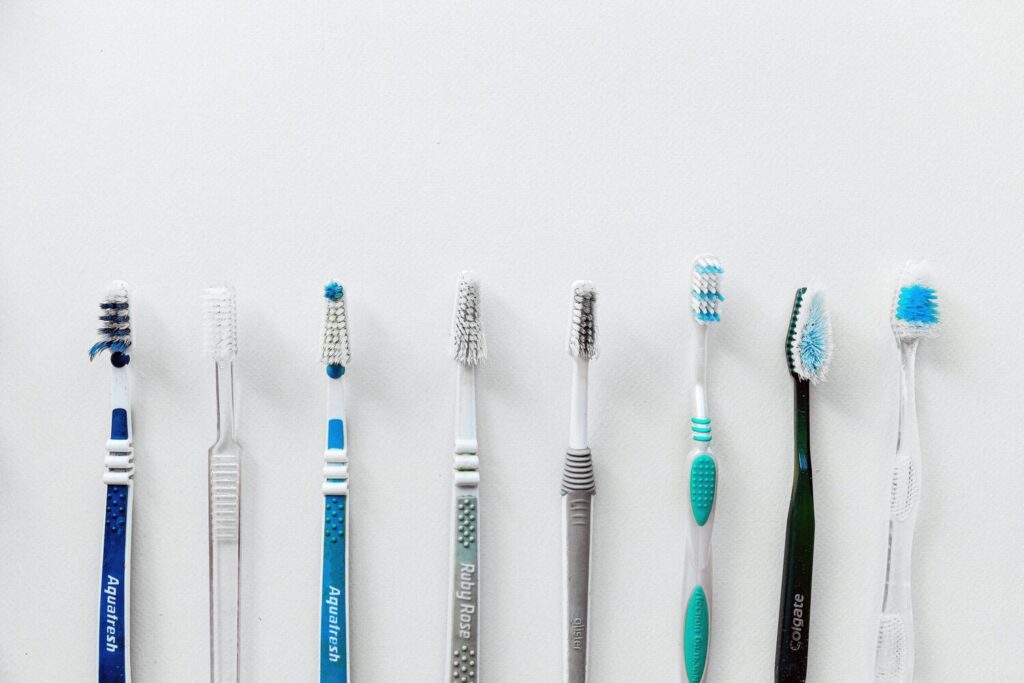
Toothbrushes come with different types of bristles, including soft and hard, to suit various oral hygiene needs:
Manual toothbrush: Traditional toothbrushes come with soft, medium, or hard nylon bristles. Soft bristles are recommended for most people as they are gentle on the gums and enamel, while hard bristles can be more abrasive and are typically not recommended for daily use.
Electric toothbrush: These powered toothbrushes often feature soft bristles, designed to be effective in plaque removal without damaging the gums. Their rotating or vibrating heads enhance the cleaning process, especially for those with sensitive gums.
Sonic toothbrush: Like electric toothbrushes, sonic versions typically use soft bristles to vibrate at high speeds, offering a deep clean while being gentle on teeth and gums.
A toothbrush with hard bristles or one that is too large can damage gums and make it difficult to reach certain areas, like the back teeth or between teeth.
Mouthwash offers several benefits that enhance oral hygiene. It reduces bacteria, prevents plaque buildup, and freshens breath by killing odor-causing germs. Mouthwash can also promote gum health by reducing inflammation and help strengthen enamel if it contains fluoride. Additionally, it reaches areas that brushing and flossing may miss, providing a more thorough clean, while some formulations can soothe minor oral discomfort. While it shouldn’t replace brushing or flossing, mouthwash is a useful addition to daily oral care.
Excessive use of mouthwash or choosing the wrong type can lead to several risks. Overuse, especially of alcohol-based mouthwashes, can cause dry mouth by reducing saliva production, which may increase the risk of cavities and bad breath. Harsh mouthwashes can also irritate the gums, damage oral tissues, or worsen existing conditions like ulcers. Using a mouthwash with ingredients that don’t suit your needs, such as alcohol or strong antiseptics, can disrupt the balance of oral bacteria or cause tooth sensitivity. It’s important to choose a mouthwash that matches your specific dental needs and use it as directed.

Routine dental check-ups are essential for maintaining good oral health and preventing serious issues. They allow for the early detection of problems like cavities and gum disease, often before symptoms arise, and help prevent these issues through professional cleanings and guidance on oral care. Regular visits also monitor existing conditions, reducing the risk of complications and potentially lowering long-term costs by catching problems early. Moreover, good oral health is linked to overall well-being, making these check-ups a crucial part of maintaining both dental and general health.
Without regular dental visits, several issues might go unnoticed, including:
Regular dental visits help catch these issues early, ensuring timely and effective treatment.
A healthier you starts right here. We’re looking forward to meeting you and your entire family. Schedule your consultation today at our Salem dentist office.
Have questions? Call (503) 315-2500. We hope to see you soon!