Category :

How Can a Family Dentist in Salem, OR Keep Your Whole Family’s Smile Healthy?

Introduction

When people think about oral health, they often focus on the big things.

  • A cavity. 
  • A crown.
  • A root canal.
  • Orthodontic treatment.

Those services are certainly important, but they’re not usually what keeps a smile healthy in the first place.

For most families, long-term oral health is built on something much simpler: Consistency.

Regular checkups. Professional cleanings. Preventive care. Catching small concerns before they become larger problems.

The families who enjoy healthy smiles for years often aren’t doing anything extraordinary. They’re simply following a routine that allows their dentist to monitor changes, provide guidance, and address concerns early.

That’s one of the biggest advantages of family dentistry.

Instead of treating oral health as a series of isolated appointments, family dentists help patients establish habits and care plans that evolve with them over time.

Whether it’s a child’s first visit, a teenager’s preventive care needs, or ongoing treatment for adults, family dentistry provides continuity that supports long-term oral health.

In this blog, we’ll explore how family dentists help entire families maintain healthy smiles. Let’s get started. 

Why Consistency Matters More Than Complexity in Oral Health

Most serious dental problems don’t develop overnight. Cavities, for instance, usually start as small areas of decay. Similarly, the first stages of gum disease involve mild inflammation.

A family that goes to the dentist regularly creates opportunities to find problems before they become more difficult and more costly to address.

It’s like regular maintenance on a vehicle.

Regular appointments with a dentist for kids in Salem, OR, allow experts to monitor changes, to detect early warning signs, and to recommend treatment before problems arise.

Children do well with consistency when it comes to good dental habits that can carry into adulthood.

Regular care for adults also helps keep teeth and gums healthy and reduces the possibility of unexpected dental emergencies.

How Does Family Dentistry Support Long-Term Oral Health?

1. Creating a Dental Home

Family dentistry offers a familiar setting where patients can receive care at various points in their lives. Having a regular dental team means that the care can become more personalized over time.

2. Changes Over Time

Regular dental visits allow dentists to keep track of changes in oral health. This ongoing relationship helps us to identify concerns early and recommend appropriate treatment before problems become more serious.

3. Preventive Care

Services that help prevent common dental problems include cleanings, exams, fluoride treatments, and oral health education. Often, these services are the bedrock of long-term dental health.

4. Supporting Various Life Stages

A young child’s oral health needs are very different from those of an adult or senior. Family dentists tailor care recommendations based on age, development, and individual needs.

5. Developing Regular Care Routines

It is often easier for families to keep dental appointments when everyone is cared for at the same practice. Such consistency with family dentistry in Salem, OR, fosters long-term oral health habits across generations.

At A Glance

Who Qualifies?Any patient with teeth, whether it’s an older adult or a toddler, is eligible for the treatment.
Process OverviewStep 1 The treatment starts with an initial visit to your dentist.
Step 2 Based on your unique condition, the dentist will recommend appropriate treatment to maintain a lasting smile.
Step 3 Continue visiting your family dentist in Salem, OR, for treatment. 
TimelineFamily dentistry is an ongoing process that requires frequent visits to the clinic. 
AftercareFollow your family dentist’s care instructions for a longer-lasting smile. 
Location & ContactHealthy Smiles Family Dental4392 Liberty Rd S, Salem, OR 97302, United States

Benefits of Choosing a Family Dentist

Care that Goes on for Generations

Family dentistry comes with one of the best benefits, convenience. The same practice may be able to care for parents, children, and even grandparents. This creates continuity and makes it easier to schedule for busy families.

Promotes Preventive Care

Prevention is big with family dentists. Annual checkups and cleanings aid in early detection of problems and promote healthy behaviors that support long-term oral health.

Creates Familiarity and Trust

Most patients feel more comfortable going to a dental practice they know. Getting to know the dental team and environment from a young age is often beneficial for children.

Supports Oral Health Education 

Family dentistry is more than treatment. Dentists help patients understand how to brush, floss, eat, and other habits that promote healthy smiles. These conversations assist patients in making well-informed decisions about their oral health.

Helps Detect Problems at an Early Stage

Routine monitoring enables dentists to catch changes before they become major problems. Early detection often means easier, less invasive treatment and better long-term outcomes.

Builds a Long-Term Relationship

Family dentists build a deeper understanding of a patient’s oral health history, preferences, and goals over time. This relationship helps build more personalized care recommendations and a greater focus on prevention.

Family Dental Care in Salem

Families in Salem have busy lives with work, school activities, sports, and so much more on their daily to-do lists.

When life gets hectic, it can be easy to put off preventive dental care. The trouble is, oral health doesn’t take a break when schedules get busy.

Regular visits to your dentist help ensure that small concerns do not become larger problems. They are also opportunities to build healthy habits, track changes, and keep each family member on track with their oral health goals.

Family Dental Care in Salem, OR, is committed to providing accessible, consistent, and appropriate dental care for patients of all ages. Whether it’s a child getting ready for their first trip to the dentist or an adult committed to long-term oral health, the goal remains consistent: helping families protect their smiles with preventive, personalized care.

FAQs

1. What services does a family dentist offer in Salem, OR?

Family dentists typically provide services like preventive care, dental exams, cleanings, fillings, crowns, patient education, and more to help children, teens, adults, and seniors maintain oral health.

2. How often should my family visit the dentist?

Patients are requested to schedule a visit to their dentist every six months. However, some people may need to visit their dentists at much more frequent intervals, depending on individual oral health needs, risk factors, or current treatment plans.

3. At what age should kids start seeing a dentist?

Most dental organizations suggest taking your child to the dentist within their first birthday or after the first tooth appears. Early visits help to set up healthy habits and monitor development.

4. Can one dentist treat adults and children?

Yes.  Family dentists are trained to treat patients of all ages, so your entire family can get treatment at the same practice.

5. What preventive care does a family dentist provide?

Preventive care generally involves professional cleanings, dental exams, fluoride treatments, oral cancer screenings, patient education, and tailored recommendations to reduce the likelihood of future dental problems.

Conclusion

Healthy smiles don’t happen by accident. They come more often from consistent care, preventive attention, and healthy habits maintained over time.

Family dentistry aids in this process by providing comprehensive care for patients throughout all stages of life. Family dentists offer routine exams, professional cleanings, preventive services, and ongoing guidance to help patients address concerns early and maintain long-term oral health.

For families looking for a dental home in Salem, Healthy Smiles Family Dental for family can provide the continuity, convenience, and preventive focus that help foster healthy smiles for years to come. Often, the most important part of dental care isn’t a specific treatment but having a trusted team that helps your family stay on the right path.


How Do Dental Implants Work at Healthy Smiles Family Dental in Salem, OR?

Introduction

Most people don’t realize how much they rely on their teeth until one is missing.

At first, the change may seem manageable: 

  • You learn which foods feel easier to chew. 
  • You adjust how you bite into certain meals. 
  • Maybe you become a little more aware of your smile during conversations or photos.

Life goes on, and that’s what makes tooth loss so deceptive.

The challenge isn’t always that a missing tooth prevents you from doing something. It’s that everyday activities often become less predictable. Some meals feel comfortable while others don’t. 

Certain situations make you more aware of the gap than others. Small adjustments become part of your routine without you even noticing.

Dental implants were developed to restore more than appearance. They’re designed to help restore consistency. 

The goal is to create a stable replacement that allows patients to eat, speak, and smile without constantly adapting around a missing tooth.

Therefore, this blog takes a closer look at how dental implants work. Continue reading as we explore insights on how a dentist in Salem, OR, will guide you through the procedure. 

Why Replacing a Missing Tooth Helps Restore Everyday Predictability

Most people find ways to adapt to losing a tooth.

You might find yourself chewing more on one side of your mouth than the other. You can avoid foods that feel uncomfortable. Some people are more self-conscious about their smile in some situations and perfectly fine in other situations.

Before you lost a tooth, you probably did not think about where you chewed or how much pressure you put on one side of your mouth. Everything worked out fine.

The experience can be changed after tooth loss. Small distractions from a missing tooth can be felt and influence overall comfort and confidence.

This is a major reason why many dentists suggest dental implants when discussing tooth replacement in Salem, OR. Implants offer a secure foundation that better supports day-to-day function. 

Remember, dental implants don’t come as another treatment, they become a part of your smile and helps resume your normal life again.

What Is the Dental Implant Process Like?

1. Consultation & Assessment

The initial step involves a comprehensive oral health assessment. The dentist will discuss treatment goals and any concerns, then examine the teeth, gums, jawbone, and the overall condition of the mouth. Digital imaging can also be used to collect information for planning purposes.

2. Planning the Treatment

Each patient is different. The treatment plan is determined by the location of the missing tooth, the patient’s oral health history, the available bone support, and long-term goals. The aim is a tailored approach that will allow for predictable outcomes.

3. Insertion of the Implant

The implant is placed into the jawbone where the missing tooth was. The implant is an artificial tooth root, usually made of titanium, which serves as the foundation for the future restoration.

4. Integration and Recovery

Once the implant is in place, it needs time to bond with the jawbone. This healing phase is one of the most important in treatment, as it provides the stability necessary for long-term support and function.

5. Final Restoration 

Once healing is complete, a custom-made crown is placed. The restoration is made to stand out naturally among surrounding teeth while restoring appearance and daily function.

At A Glance

Who Qualifies?Patients with lost, broken, or missing teeth are ideal candidates for the treatment.
Process OverviewStep 1 The procedure starts with an initial visit to your dentist for dental implants in Salem, OR.
Step 2 Following the visit, the dentist will analyze your smile and begin the treatment.
Step 3 The procedure involves fitting a post in your jaw after which implants are placed. 
TimelineDental implants are a long procedure and may require a few visits to your dentist.  
AftercareFollow your dentist’s suggestion on eating habits for a quick recovery.
Location & ContactHealthy Smiles Family Dental4392 Liberty Rd S, Salem, OR 97302, United States

Benefits of Dental Implants

Restores stable chewing function

Many people with missing teeth notice small differences from one meal to the next. Some foods are easy to eat, but others need adjustments. Dental implants restore stability, and patients can eat a wider variety of foods more consistently and with greater comfort.

Offers Consistent Daily Support

Implant posts are anchored in the jawbone, providing a solid base for the new tooth. This support helps patients feel confident in their day-to-day lives, whether eating, speaking, or smiling, without constantly compensating for the missing tooth.

Improves Natural Appearance

The final restoration is designed to match adjacent teeth. The shape, size, and color are chosen to create a result that blends naturally into the smile while maintaining a realistic appearance.

Assists in Reducing Daily Distractions

Missing teeth can be little reminders all day long that don’t go away. Dental implants often eliminate many of those reminders, so patients can focus on conversations, meals, work, and social life rather than the gap.

Engineered for Long-Term Success

Durability of dental implants is well known. With good oral hygiene and regular dental check-ups, many implants can last for decades. Because of their long-term reliability, they are among the most trusted options for replacing teeth.

Boosts Confidence

Confidence generally comes from knowing what to expect. When patients can eat, talk, and smile without worrying about a missing tooth, they often feel more comfortable in social, professional, and everyday situations.

Dental Implant Treatment at Healthy Smiles Family Dental

At Healthy Smiles Family Dental, we often hear the same stories from patients who have lost a tooth: We have adapted, we figured out how it works. 

The question is not whether they can continue to live with the missing tooth.

It’s whether they want everyday activities to be easier, more comfortable, and more predictable.

For some patients, appearance is a concern, while others focus on chewing function or on long-term oral health. 

No two situations are the same, which is why treatment recommendations are tailored to the individual’s goals and needs.

At Healthy Smiles Family Dental, the implant treatment begins by learning those goals and developing a plan for long-term success. 

FAQs

1. How long do dental implants last in Salem, OR?

Good oral hygiene and regular dental visits can help dental implants last for years and years. Longevity is based on oral health, maintenance habits, bite forces, and ongoing professional care.

2. How much do implants cost in Salem, OR?

How much does it cost? This depends on the number of implants needed, the complexity of the treatment, and whether any additional procedures are needed. A consultation allows the dentist to evaluate your needs and provide you with a personalized treatment estimate.

3. What is the implant process like?

The process typically involves consultation, treatment planning, implant placement, healing, and the placement of the final restoration. Although the implant placement itself can be done in one appointment, the entire treatment process usually takes several months because healing is essential.

4. Am I a candidate for dental implants?

Many adults with missing teeth may be candidates for implant treatment. Dentists will consider a variety of factors when deciding if implants are the right solution for you, such as gum health, jawbone support, medical history, and general oral health.

5. What is recovery like after dental implants?

Most patients return to normal activities within a few days of implant placement. Some soreness at the outset is normal, but it generally takes several months for the implant to fully heal and bond with the jawbone.

Conclusion

When you have a missing tooth, you often learn to adapt. 

Over time, those adaptations can become so familiar that they seem normal. However, normal daily functions such as speaking, eating, and smiling may require minor adjustments, which can affect comfort and confidence.

Dental implants help to restore a more predictable experience. They do this by substituting both the visible tooth and the underlying supporting structure. This provides the tooth with the stability needed for daily function and long-term oral health. For many patients, treatment is a way of putting the missing tooth out of their mind and just getting on with life as normal.

If you are considering tooth replacement options in Salem, a consultation at Healthy Smiles Family Dental can help you determine if dental implants are the best solution for your needs. 

Ready to explore the best implants in Salem, OR? Book a call with our experts today!

What Cosmetic Options Does a Dentist in Salem, OR, Offer?

Summary:

Many patients from Salem, OR, feel self-consious about their stained, chipped, or uneven teeth, which tends to affect their confidence in everyday interactions.

Whether you are preparing for a big event or simply want to refresh your smile, a dentist in Salem, OR, can provide cosmetic solutions tailored to your goals and lifestyle.

Modern cosmetic dentistry offers its clients a range of personalized treatment plans, starting from subtle enhancements to complete smile makeovers. This article explores the most popular cosmetic options that are available and how they can improve both the appearance and function of a person’s smile. 

The following sections will take a closer look at the different cosmetic options via topics like:

  • Why Many Patients Consider Cosmetic Dentistry
  • How Cosmetic Services in Salem, OR Work: Expert Insight
  • Benefits of Cosmetic Dentistry in Salem, Oregon

Continue reading the following sections to understand more about the importance of cosmetic options for your smile. Let’s get started. 

Why Many Patients Consider Cosmetic Dentistry

Your beautiful smile is often the first thing people notice about you. Even small issues like stains, gaps, or uneven teeth can affect your confidence, your photos, and your daily interactions with people. Cosmetic dentistry helps you address these concerns safely and professionally with the help of experts.

According to Grand View Research, nearly 67% of American adults have undergone some form of teeth whitening procedure. These statistics show exactly how many Americans are actively looking to improve their smile and appearance.

Common Smile Concerns Patients Experience

Many people visit a dentist for cosmetic improvements because of:

  • Yellow or stained teeth from coffee, tea, or aging
  • Small gaps between teeth
  • Chipped or uneven teeth
  • Crooked or misaligned teeth
  • Worn-down or short teeth

Why This Matters

These issues are usually not painful, but they can still impact:

  • Confidence during conversations
  • Comfort when smiling in photos
  • Professional and social impressions

The good news for you is that modern cosmetic dentistry offers a simple, minimally invasive option to improve your smile while keeping your teeth healthy and natural-looking.

How Cosmetic Services in Salem, OR Work: Expert Insight

Personalized Smile Consultation

Your visit begins with a dedicated one-on-one consultation with your dentist, who will work to understand your goals. Whether your goals are whitening, veneers, or bonding, they will carefully listen to you. 

Digital X-rays and intraoral imaging are also used to help evaluate the tooth structure, gum health, and alignment. Most cosmetic evaluations at Salem, OR, take about 30 to 45 minutes, making the process convenient and informative.

Digital Smile Planning and Technology-Driven Assessment

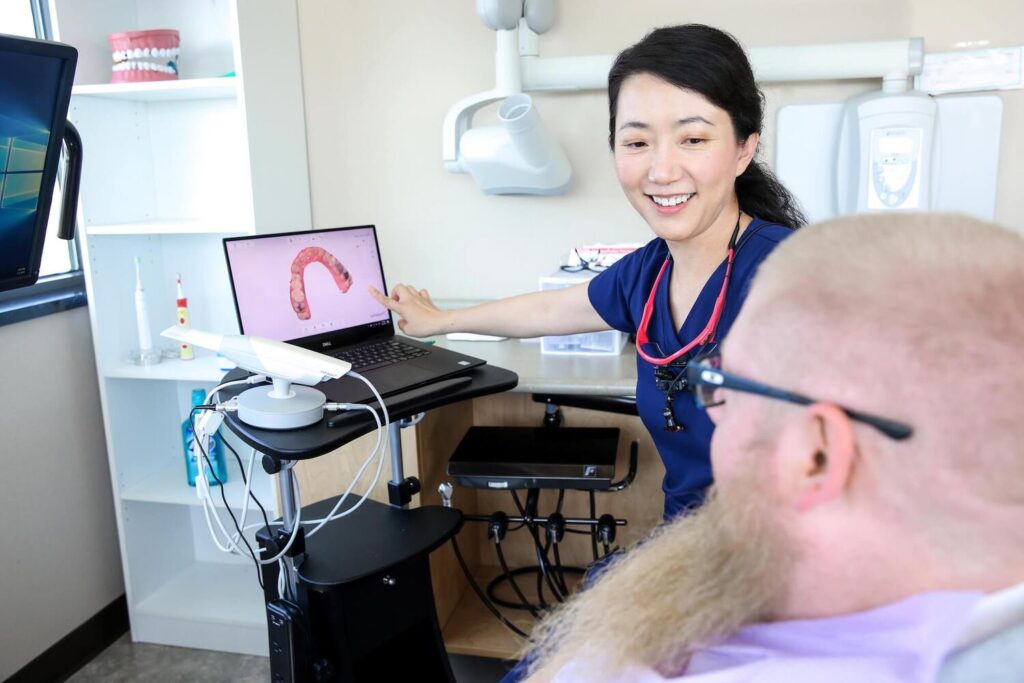
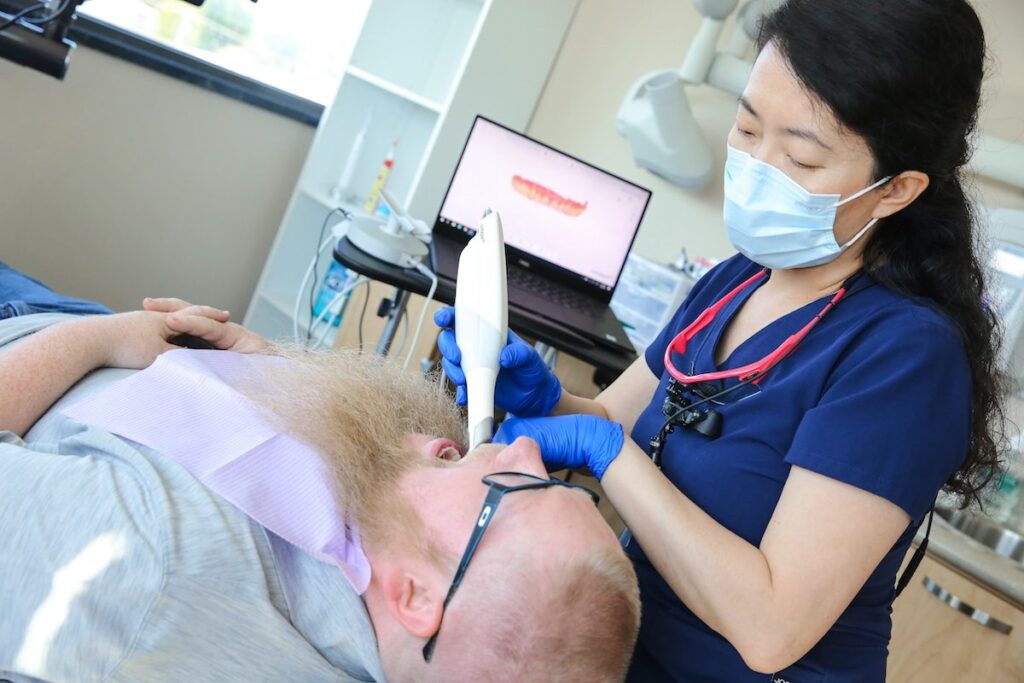
Advanced dental tools, such as X-rays and intraoral scanners, are used to plan treatment precisely before any treatment begins. These technologies help to preview expected results and improve accuracy.

Cosmetic dental treatments have also been shown to improve patients’ self-confidence, highlighting their emotional and functional benefits.

Customized Cosmetic Treatment Options

The dentist might recommend teeth whitening, porcelain veneers, dental bonding, or clear aligners based on your goals. Each option is selected to match your facial features, tooth color, and bite alignment. 

This personalized approach ensures results that are very natural-looking, complementing the individual’s overall smile.

Treatment and Final Smile Refinement

Your treatment begins with only careful adjustments and furnishing touches, and only when everything is approved and looked after from both sides. Minor reshaping, polishing, and color matching are performed to achieve balanced results.

Experts recommend follow-up visits to ensure comfort, durability, and long-term satisfaction with cosmetic services in Salem, OR.

Patients with healthy gums and teeth are generally ideal candidates for cosmetic dentistry treatments. 

Remember, professionals might also suggest teeth extractions in Beaumont, TX, for smiles that need complete replacement.

At A Glance

Who Qualifies?Patients with stained, chipped, misaligned, gapped, or worn teeth are seeking aesthetic improvements and a boost in confidence qualify for cosmetic dental procedures to restore their smile
Process OverviewStep 1 Set an appointment with your dentist to understand about the possible cosmetic upgrade options. 
Step 2 They will examine and understand your pain points to offer the best available treatment option. 
Step 3 Your dentist will suggest customized treatment such as veneers, whitening, bonding, or Invisalign to enhance your smile. 
TimelineThe entire treatment process is different for unique options. 
Whitening: 1 visit Bonding: same day Veneers/Invisalign: several weeks to months. 
AftercarePatients must follow simple oral care and avoid staining food items while staying in loop with their dentists.
Location & ContactHealthy Smiles Family Dental4392 Liberty Rd S, Salem, OR 97302, United States

Benefits of Cosmetic Dentistry in Salem, Oregon

  • Smile appears brighter and more youthful

Professional teeth whitening and veneers typically remove years of staining. Most patients notice a fresher, cleaner appearance that makes everyday interactions feel more comfortable and natural.

  • Teeth look straighter without lengthy orthodontics

Clear aligners and cosmetic bonding often improve minor alignment issues. In many cases, patients achieve a more balanced smile within months, helping them feel more confident at work, at social events, and in photos.

  • Damaged or worn teeth regain strength and function

Cosmetic crowns or bonding usually restore chipped, cracked, or worn teeth. Most patients find that chewing becomes easier while also enjoying a more natural-looking smile.

  • Gaps and uneven spaces appear more balanced

Veneers or bonding typically close small gaps and reshape uneven teeth. Many patients report feeling less self-conscious and more comfortable smiling in conversations.

Local Connection

Cosmetic dentistry in Salem, Oregon, is designed around real patients’ needs and for their everyday convenience. Many of our Salem patients ask about improving their smiles before their wedding day, job interviews, or community events.

Patients visit from:

  • South Salem and West Salem neighborhoods
  • Areas near Riverfront City Park and Downtown Salem
  • Communities around Commercial Street and Liberty Road

Designed for Convenience

  • Flexible weekday appointment hours
  • Easy on-site parking for stress-free visits
  • Financing options for cosmetic treatments
  • Friendly team with clear, simple communication

Most Salem patients appreciate the various cosmetic options that fit comfortably into their busy local lifestyles while also delivering natural-looking, confident smiles.

FAQs

1. What cosmetic dental treatments are available in Salem, OR?

Cosmetic options often include teeth whitening, veneers, bonding, and smile reshaping. The right choice depends on the specific concern, such as discoloration, chips, or uneven spacing.

2. Is cosmetic dentistry painful or uncomfortable?

Generally, cosmetic procedures are comfortable and minimally invasive. Treatments like whitening and bonding require little to no downtime, while veneers or Invisalign may involve mild temporary sensitivity.

3. How long do cosmetic dental treatments take?

Typically, teeth whitening takes one visit; bonding can be completed the same day, while veneers and Invisalign require multiple appointments. 

4. Do clinics in Salem offer same-day cosmetic consultations?

Yes, in Salem, you can typically get same-day or quick cosmetic consultations, depending on availability. 

5. How do I choose the right cosmetic treatment for my smile goals?

A consultation helps evaluate your teeth, discuss your expectations, and recommend options that align with both your appearance goals and your overall oral health.

6. Are cosmetic dental treatments purely aesthetic or do they offer functional benefits?

While primarily focused on appearance, many treatments also improve function by strengthening teeth or correcting minor alignment issues.

7. How long do results from cosmetic procedures typically last?

Longevity varies by treatment. Some options last several months, while others can last many years with proper care and maintenance.

8. Can multiple cosmetic treatments be combined for better results?

 Yes, many patients choose a combination approach to address multiple concerns simultaneously, creating a more balanced, natural-looking smile.

Conclusion

So, are you considering a smile upgrade in Salem? If yes, then cosmetic dentistry, from teeth whitening to veneers, can enhance your confidence while keeping your smile natural-looking and functional. Modern treatments focus on comfort, durability, and personalized results tailored to your needs and wants.

Take the first step towards a brighter, more confident smile. Schedule your cosmetic consultation at Healthy Smiles Family Dental today to discover which options actually fit your needs and which do not.

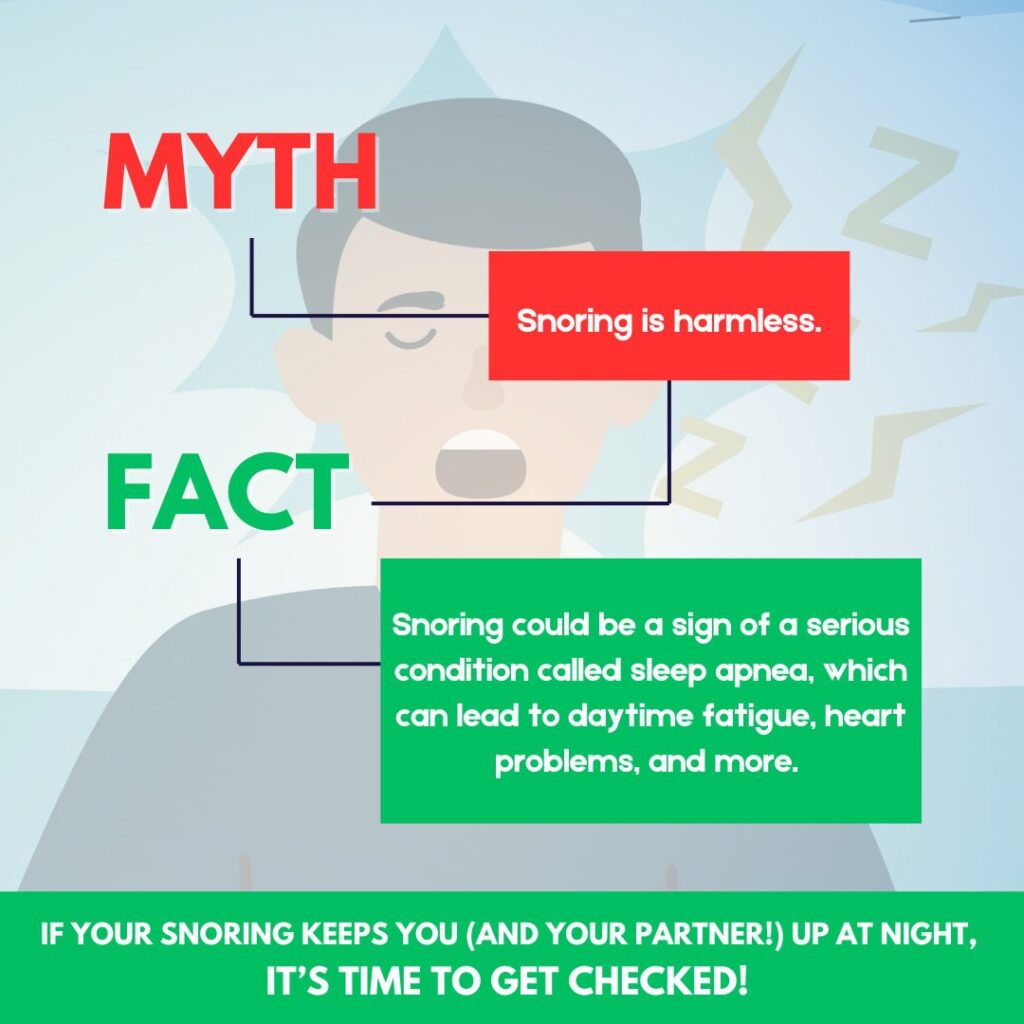
SLEEP SOUNDLY THIS HOLIDAY SEASON: TIPS FOR SNORE-FREE NIGHTS

SLEEP SOUNDLY THIS HOLIDAY SEASON: TIPS FOR SNORE-FREE NIGHTS

The holidays should be filled with Silent Nights and Joyful Days,
but snoring can put a damper on the cheer! We hope the
festive tips keep the nights quiet and restful for everyone.
Wishing you a Merry Christmas and a Silent Night

7 Easy Dental Tips to Improve Your Well-Being

Introduction

When we think about health and wellness, dental care is often overlooked. However, the health of your teeth and gums plays a significant role in your overall well-being. Proper oral hygiene is not just about having a bright smile—it also helps prevent a range of health issues. Let’s explore seven simple dental tips that can make a big difference in both your oral and general health.

Tip 1: Brush Twice Daily

The foundation of great oral health starts with regular brushing. It’s important to brush at least twice a day, using fluoride toothpaste to strengthen your enamel and fight cavities. Opt for a soft-bristle toothbrush, which is gentle on your gums while still effectively cleaning your teeth. This simple practice helps remove plaque buildup and reduces your risk of gum disease and tooth decay.

Tip 2: Floss Regularly

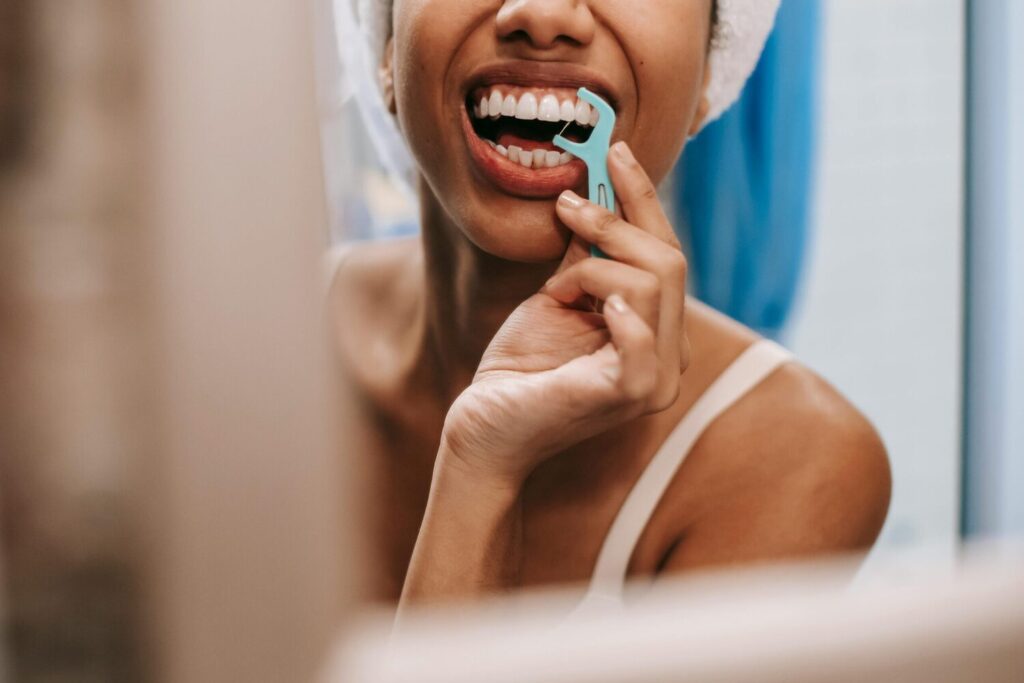
While brushing is essential, it can’t remove all the food particles and plaque between your teeth. Flossing every day is crucial to reach these areas and prevent plaque buildup, which can lead to cavities and gum disease. The best time to floss is before bed, ensuring your mouth is free from debris as you sleep.

Tip 3: Eat a Balanced Diet

What you eat has a direct impact on your dental health. A balanced diet rich in fruits, vegetables, dairy, and lean proteins supports strong teeth and healthy gums. Calcium-rich foods like milk and cheese help strengthen enamel, while crunchy vegetables like carrots can naturally clean your teeth. Limiting sugary snacks and drinks is equally important since sugar fuels the bacteria that cause cavities.

Tip 4: Stay Hydrated

Water is your mouth’s best friend. Staying hydrated helps wash away food particles and bacteria, keeping your mouth cleaner throughout the day. Drinking plenty of water also prevents dry mouth, which can lead to bad breath and increase your risk of cavities. Instead of sugary drinks, which can erode enamel, make water your go-to beverage.

Tip 5: Visit the Dentist Regularly

No matter how diligent you are with your at-home dental care, professional cleanings and checkups are essential. Dentists recommend visiting the dentist at least twice a year. These appointments allow for thorough cleanings and early detection of any potential issues like cavities, gum disease, or oral cancer, which can be treated before they become serious problems.

Tip 6: Avoid Tobacco Products

Smoking and chewing tobacco are not just bad for your overall health—they can wreak havoc on your oral health as well. Tobacco use is a major risk factor for gum disease, tooth loss, and oral cancer. Quitting tobacco is one of the best things you can do for your teeth, gums, and overall well-being.

Tip 7: Use Mouthwash

Adding mouthwash to your routine can provide an extra layer of protection. Antibacterial mouthwashes help reduce plaque, prevent gum disease, and freshen your breath. The best time to use mouthwash is after brushing and flossing to ensure your mouth stays as clean as possible. Look for alcohol-free formulas that won’t dry out your mouth.

Conclusion

Caring for your teeth and gums doesn’t have to be complicated. By following these seven easy tips—brushing twice a day, flossing regularly, eating a balanced diet, staying hydrated, visiting the dentist, avoiding tobacco, and using mouthwash—you can significantly improve your oral health and overall well-being. Small changes can make a big difference, so start today and take control of your dental health for a brighter, healthier future.

Regular dental visits help catch these issues early, ensuring timely and effective treatment.

A healthier you starts right here. We’re looking forward to meeting you and your entire family. Schedule your consultation today at our Salem dentist office.

Have questions? Call (503) 315-2500. We hope to see you soon!

Understanding the Impact of Sleep Apnea on Children

Exploring the Impact of Pediatric
Sleep Apnea

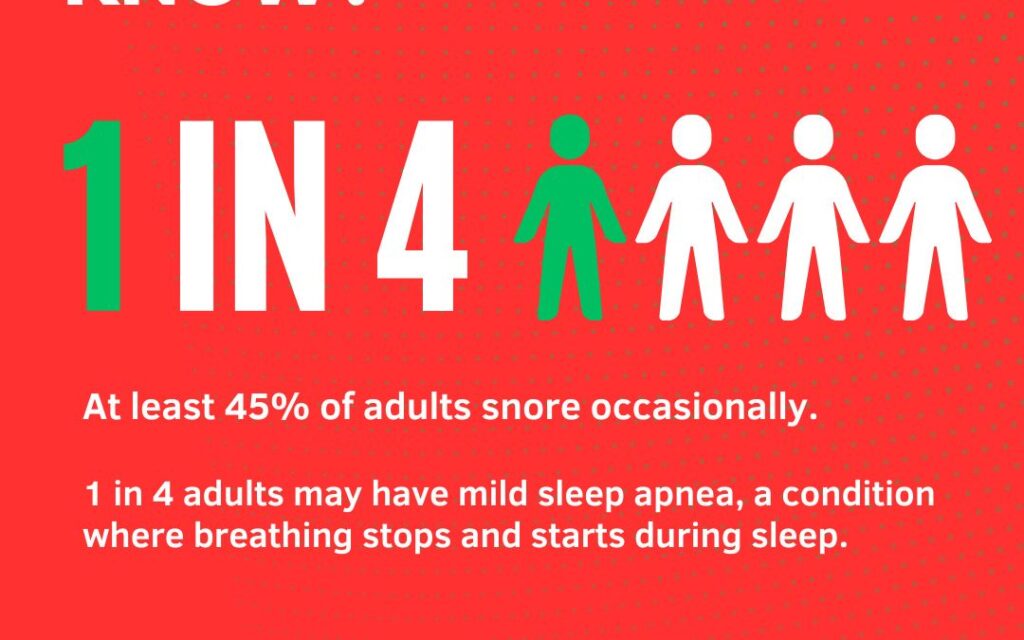
Sleep apnea, often thought of as a condition affecting adults, also poses significant risks to children’s health and well-being.
Children with untreated sleep apnea may experience daytime sleepiness, poor concentration, and behavioral issues, which can interfere with their academic performance and social interactions.
Additionally, sleep apnea has been linked to deficits in attention, memory, and executive functioning in children.
Chronic sleep disturbances may contribute to growth delays, cardiovascular problems, and metabolic disorders such as obesity and insulin resistance.

Identifying sleep apnea in children can be challenging, as the symptoms may differ from those seen in adults.
While snoring is a common symptom, children with sleep apnea may also exhibit other signs such as restless sleep, frequent awakenings, bedwetting, and daytime mouth breathing.
It is essential for parents and caregivers to be vigilant and consult a healthcare professional if they suspect their child may have sleep apnea.
Early recognition and intervention are crucial for preventing long-term complications and improving outcomes for children with sleep apnea.

SLEEP HYGIENE TIPS FOR KIDS

  • Arranging a balanced schedule with interspersed periods of rest and play
  • Keeping a regular bedtime
  • Making the bedroom, and especially the mattress, a no-screen zone, even during the day
  • Providing a healthy diet
  • Setting the thermostat to a slightly cooler temperature
  • Using dark curtains to block out light, or a nightlight if they’re scared of the dark
  • Keeping the bedroom quiet, or using a white noise machine to mask outside sounds

ASK US HOW YOU CAN RECEIVE A
SLEEP WELLNESS CONSULTATION!

If you are interested in getting back your best sleep, contact us today to request your appointment. We’ll work with you to develop a personalized treatment plan that meets your dental needs and longtime dreams.

THE MENTAL HEALTH IMPACT OF SLEEP APNEA

Why Treating Sleep Apnea is Crucial for Mental Health

Sleep apnea, a common sleep disorder characterized by repeated interruptions in breathing during sleep, is not just a physical health concern. It has significant implications for mental health as well.

 Sleep Apnea and Its Impact on Mental Health:

Daytime Fatigue and Cognitive Function: The frequent disruptions in sleep caused by sleep apnea prevent the brain from entering the restorative stages of sleep.

Mood Disorders: Sleep apnea is closely linked with mood disorders such as depression and anxiety. Patients with sleep apnea are more likely to experience persistent feelings of sadness, hopelessness, and irritability.

Stress and Coping: Living with untreated sleep apnea can be stressful. The constant struggle with fatigue, combined with the potential health risks, can take a toll on mental health.

Managing Sleep Apnea for Better Mental Health:

Oral Appliances: Improves sleep quality and reduces daytime fatigue, which can positively impact mood and cognitive function.

Mental Health Support: Seeking support from mental health professionals can help manage the emotional and psychological
aspects of sleep apnea.

Healthy Lifestyle Choices: Regular exercise, a balanced diet, and good sleep hygiene can improve both sleep apnea and mental health.

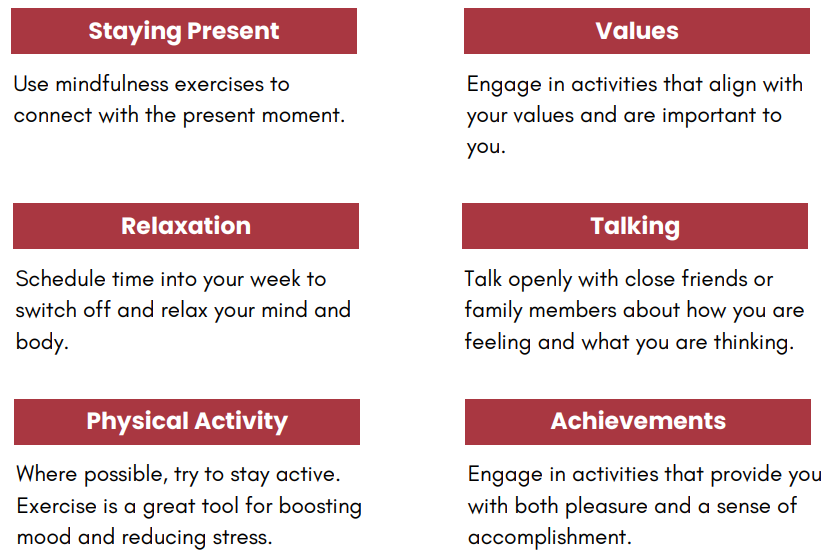
POSITIVE MENTAL HEALTH HABITS TO TRY AND MAINTAIN

ASK US HOW YOU CAN RECEIVE A
SLEEP WELLNESS CONSULTATION!

If you are interested in getting back your best sleep, contact us today to request your appointment. We’ll work with you to develop a personalized treatment plan that meets your dental needs and longtime dreams.

Think You’re Brushing Right? 5 Mistakes to Know About

Introduction

Proper teeth cleaning is essential for maintaining oral health and preventing dental issues such as cavities, gum disease, and bad breath. By effectively removing plaque and food particles through regular brushing and flossing, you can reduce the risk of tooth decay and gum inflammation. Good oral hygiene also supports overall health, as poor dental care has been linked to systemic conditions like heart disease and diabetes. Additionally, proper teeth cleaning helps preserve tooth enamel, prevent tartar buildup, and maintain a bright, healthy smile.

Mistake 1: Incorrect Brushing Technique

  • Brushing too hard: Applying excessive pressure while brushing can wear down tooth enamel and irritate the gums, potentially causing gum recession and tooth sensitivity.
  • Brushing too quickly: Rushing through the brushing process, usually in less than two minutes, doesn’t give enough time to clean all areas of the teeth, leading to plaque buildup.
  • Incorrect brush angle: Holding the toothbrush at a flat or steep angle instead of the recommended 45-degree angle can prevent proper cleaning of the gum line, where plaque often accumulates.
  • Skipping areas: Focusing only on the front teeth or easily accessible areas while neglecting the molars, inner surfaces, or the tongue leaves areas where plaque can thrive.
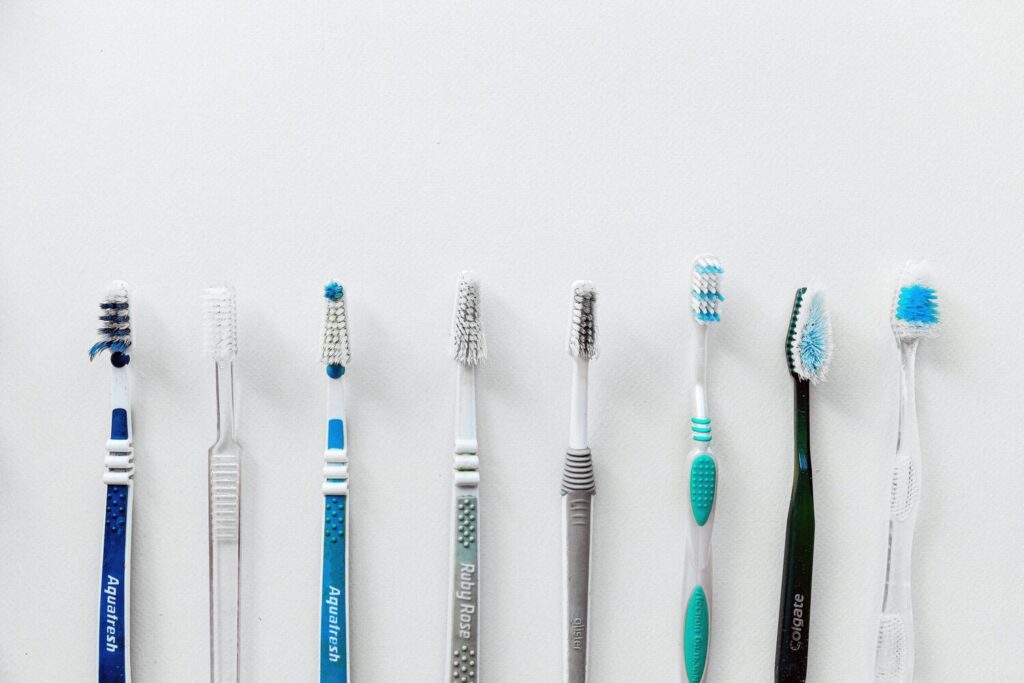
  • Not replacing the toothbrush: Using a worn-out toothbrush with frayed bristles diminishes its effectiveness in cleaning, as it no longer adequately removes plaque and food particles.
  • Overuse of horizontal strokes: Brushing in a straight, back-and-forth horizontal motion, especially along the gum line, can harm gums and doesn’t clean teeth as thoroughly as circular or vertical motions.
  • Brushing too frequently or for too long: Overbrushing, whether by brushing too often or for too long, can erode tooth enamel and irritate gums.
  • Using too much toothpaste: Using excessive toothpaste creates a lot of foam, which can make people feel like they’ve brushed thoroughly when they may not have cleaned adequately.

Mistake 2: Skipping Flossing

Flossing is essential for oral health because it removes plaque and food particles from areas a toothbrush can’t reach, such as between teeth and under the gum line. This helps prevent cavities, gum disease, and bad breath. By reducing plaque buildup, flossing also protects against gingivitis and other forms of gum disease. Additionally, it contributes to overall health, as poor oral hygiene has been linked to systemic conditions like heart disease. Regular flossing helps maintain healthy gums and supports overall dental care.

Skipping flossing can lead to the buildup of plaque and food particles between teeth, increasing the risk of cavities and gum disease. Over time, this can cause gingivitis, characterized by inflamed and bleeding gums, and may progress to more severe gum disease (periodontitis), which can result in tooth loss. Neglecting flossing also contributes to bad breath and allows harmful bacteria to thrive, potentially affecting overall health by increasing the risk of conditions like heart disease and diabetes.

Mistake 3: Using the Wrong Toothbrush

Toothbrushes come with different types of bristles, including soft and hard, to suit various oral hygiene needs:

Manual toothbrush: Traditional toothbrushes come with soft, medium, or hard nylon bristles. Soft bristles are recommended for most people as they are gentle on the gums and enamel, while hard bristles can be more abrasive and are typically not recommended for daily use.

Electric toothbrush: These powered toothbrushes often feature soft bristles, designed to be effective in plaque removal without damaging the gums. Their rotating or vibrating heads enhance the cleaning process, especially for those with sensitive gums.

Sonic toothbrush: Like electric toothbrushes, sonic versions typically use soft bristles to vibrate at high speeds, offering a deep clean while being gentle on teeth and gums.

A toothbrush with hard bristles or one that is too large can damage gums and make it difficult to reach certain areas, like the back teeth or between teeth.

Mistake 4: Overdoing Mouthwash Use

Mouthwash offers several benefits that enhance oral hygiene. It reduces bacteria, prevents plaque buildup, and freshens breath by killing odor-causing germs. Mouthwash can also promote gum health by reducing inflammation and help strengthen enamel if it contains fluoride. Additionally, it reaches areas that brushing and flossing may miss, providing a more thorough clean, while some formulations can soothe minor oral discomfort. While it shouldn’t replace brushing or flossing, mouthwash is a useful addition to daily oral care.

Excessive use of mouthwash or choosing the wrong type can lead to several risks. Overuse, especially of alcohol-based mouthwashes, can cause dry mouth by reducing saliva production, which may increase the risk of cavities and bad breath. Harsh mouthwashes can also irritate the gums, damage oral tissues, or worsen existing conditions like ulcers. Using a mouthwash with ingredients that don’t suit your needs, such as alcohol or strong antiseptics, can disrupt the balance of oral bacteria or cause tooth sensitivity. It’s important to choose a mouthwash that matches your specific dental needs and use it as directed.

Mistake 5: Ignoring Regular Dental Check-Ups

Routine dental check-ups are essential for maintaining good oral health and preventing serious issues. They allow for the early detection of problems like cavities and gum disease, often before symptoms arise, and help prevent these issues through professional cleanings and guidance on oral care. Regular visits also monitor existing conditions, reducing the risk of complications and potentially lowering long-term costs by catching problems early. Moreover, good oral health is linked to overall well-being, making these check-ups a crucial part of maintaining both dental and general health.

Without regular dental visits, several issues might go unnoticed, including:

  1. Cavities: Small cavities can develop into larger ones, leading to more severe dental problems.
  2. Gum Disease: Early signs of gum disease, such as gum inflammation or bleeding, may not be noticeable but can progress to more serious conditions like periodontitis.
  3. Oral Cancer: Early stages of oral cancer can be asymptomatic, making regular check-ups crucial for early detection.
  4. Hidden Tooth Damage: Problems like cracks or fractures in teeth might not be visible without professional examination.
  5. Plaque and Tartar Build-up: Plaque that hardens into tartar can lead to gum disease and tooth decay if not removed regularly.
  6. Misalignment Issues: Subtle shifts in tooth alignment or bite issues may go unnoticed but can affect overall oral health and function.
  7. Root Issues: Problems with the roots of teeth, such as infections or decay, may not cause immediate pain but can lead to more severe complications if untreated.

Regular dental visits help catch these issues early, ensuring timely and effective treatment.

A healthier you starts right here. We’re looking forward to meeting you and your entire family. Schedule your consultation today at our Salem dentist office.

Have questions? Call (503) 315-2500. We hope to see you soon!

PREGNANCY AND SLEEP APNEA: UNDERSTANDING THE CONNECTION

Exploring How Pregnancy Influences Sleep Apnea Risk

Pregnancy heralds profound physical and hormonal shifts, often accompanied by a range of sleep disruptions. Among these,
obstructive sleep apnea (OSA) can surface or intensify during this period.

Obstructive sleep apnea is a condition characterized by repeated episodes of complete or partial obstruction of the upper airway during sleep.

Awareness of risk factors, symptoms, and treatment options empowers expectant mothers to prioritize their health and navigate pregnancy and beyond with greater ease.

Factors that can increase OSA risk during pregnancy

  • Excess weight, particularly around the neck and throat area, can contribute to airway obstruction during sleep, exacerbating sleep apnea symptoms.
  • Hormonal Changes can affect muscletone and relaxation of the upper airway muscles.
  • Nasal Congestion occurs due to increased blood flow to the mucous membranes in the nose, a condition commonly known as pregnancy rhinitis.
  • Gestational Hypertension and Preeclampsia is linked to sleep apnea which can potentially lead to complications during pregnancy and delivery.

ASK US HOW YOU CAN RECEIVE A
SLEEP WELLNESS CONSULTATION!

If you are interested in getting back your best sleep, contact us today to request your appointment. We’ll work with you to develop a personalized treatment plan that meets your dental needs and longtime dreams.

Load More